
Why rodent proofing is suddenly a “clean energy” home service priority
Home electrification is booming: EV chargers are showing up in garages, and solar + battery systems are becoming common in basements, utility rooms, and exterior walls. That’s great for energy bills and resilience—but it also creates an unexpected side effect: more warm, sheltered pathways and more wiring. And rodents love wiring.
Rats, mice, and squirrels chew for two main reasons: their teeth never stop growing, and they explore with their mouths. Modern home upgrades often add exactly what pests seek—penetrations through exterior walls, conduit runs, cable bundles, junction boxes, and cozy spaces behind new equipment. If you’ve invested thousands in an EV charger or solar system, rodent-proofing those new “entry points” is now an essential home service, not an afterthought.
The hidden risk: new wiring routes create new rodent highways
Traditional rodent entry points are well known (gaps under doors, foundation cracks, attic vents). Electrification projects can add brand-new routes:
- Exterior-to-interior penetrations for charger cabling, solar conduit, and communication lines.
- Warmth and shelter from inverters, batteries, and charger units mounted on walls—especially in garages and utility areas.
- Vertical “climbing aids” like conduit and cable trays that help rodents move from ground level to eaves or attics.
- Vegetation and stored items around garages and side yards that provide cover and nesting material.
From a damage perspective, the problem isn’t only nuisance. Chewed insulation can lead to shorts, equipment faults, or intermittent electrical issues that are hard to diagnose. In some cases, homeowners discover the problem only after a charger stops working, a solar system throws a fault code, or a breaker trips repeatedly.
Where rodents target EV charger installations (and what to inspect)
1) The wall penetration behind the charger
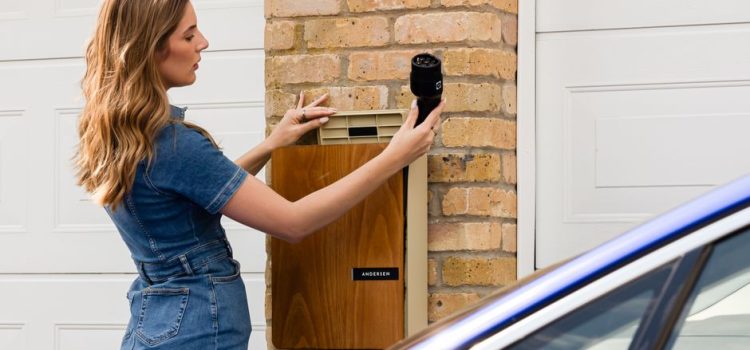
Many Level 2 chargers are mounted on an exterior-facing garage wall. To power the unit, installers may drill through siding, sheathing, or masonry. Even a small gap around conduit can become an invitation.
- Actionable tip: Inspect the conduit entry from both sides of the wall. If you see light, feel airflow, or notice crumbly foam, it needs professional-grade sealing.
- Best practice: Use a rodent-resistant seal strategy—typically a combination of metal mesh (or copper wool) packed into the void plus an exterior-rated sealant, and a proper escutcheon/trim plate where applicable.
2) The charger cable itself
The charging cable is thick and durable, but it’s not immune to gnawing, especially if it rests on the floor or is stored in a corner near clutter.
- Actionable tip: Keep the cable on a wall-mounted holster at least 18–24 inches off the floor and away from shelving where rodents can nest behind boxes.
- Real-world example: A common pattern in garages is a charger installed neatly—then seasonal storage piles up. Rodents nest behind the items, and the cable becomes a convenient chew target during nighttime exploration.
3) The panel pathway
Charger wiring often runs to the electrical panel via attic, crawl space, or garage ceiling. Those transitional areas are also prime for mice.
- Actionable tip: Look for rub marks (dark streaks), droppings, shredded paper, or insulation disturbance along the run. These are signs that rodents are already using the pathway.
Where rodents target solar + battery systems
1) Roof-edge access and conduit runs
Solar conduit frequently runs along exterior walls from the roof down to an inverter location. That conduit can act like a ladder.
- Actionable tip: Trim vegetation back at least 18 inches from the conduit and wall. Overhanging branches are rodent bridges to the roofline.
- Service insight: A rodent-proofing technician can add or recommend guards and ensure roof-edge vents, soffits, and fascia gaps are sealed—especially near the conduit route.
2) Inverter and battery rooms
Inverters and batteries are often installed in basements, utility rooms, or garages—areas that also contain floor drains, pipe penetrations, and rim-joist gaps.
- Actionable tip: Do a “gap inventory” around the installation: check around conduits, refrigerant lines (if a heat pump is nearby), plumbing, and cable bundles. If a pencil fits, a mouse may follow.
- Pro standard: Prioritize sealing at the rim joist, sill plate, and any utility penetrations. Those spots frequently connect directly to wall cavities.
3) Monitoring and communication cables
Low-voltage communication cables can be especially vulnerable. Rodents don’t care if the cable is “just data”—they’ll chew it all the same.
- Actionable tip: Ask your installer (or a qualified home service pro) to route low-voltage lines through conduit where feasible, or protect them with metal raceways in exposed areas.
Rodent-proofing strategy for electrified homes: a practical 5-step plan
Step 1: Map your “new penetrations” after any upgrade
After installing an EV charger, solar, battery, heat pump, or generator transfer switch, walk the perimeter of your home and identify every new hole or pathway. Don’t forget the garage and utility room.
- Checklist items: conduit entries, junction boxes, exterior disconnects, cable pass-throughs, and any foam-filled gaps.
Step 2: Seal gaps with rodent-resistant materials (not just foam)
Spray foam alone is not a long-term rodent barrier; many rodents can chew through it. A durable approach uses physical barriers plus sealant.
- Good: metal mesh, stainless steel wool, copper mesh, metal flashing, cement-based patch for masonry.
- Avoid relying on: foam-only fills in exterior or accessible locations.
Step 3: Reduce attractants around your new equipment
Rodent pressure rises when food, water, and shelter are nearby. Garages are common trouble spots.
- Store bird seed, pet food, and grass seed in sealed metal or thick plastic containers.
- Fix dripping hose bibs and address standing water near foundations.
- Keep a 12–18 inch “inspection gap” between stored items and walls, especially near charger and inverter locations.
Step 4: Monitor proactively (especially in the first 90 days)
Rodents explore new structures quickly, and early detection reduces repair costs.
- Simple monitoring: place non-toxic monitoring blocks in garage corners or utility rooms (out of reach of kids/pets), or use snap traps in protected boxes where appropriate.
- What to watch: droppings, gnaw marks on cardboard, disturbed insulation, and new noises at dusk or night.
Step 5: Coordinate your trades—installer + rodent-proofing specialist
Solar and EV installers are experts in electrical and code compliance; rodent-proofing specialists focus on exclusion, materials, and animal behavior. When both disciplines align, you get a cleaner, longer-lasting result.
For broader context on why rodents thrive in dense urban and suburban environments—and how housing conditions can influence pest pressure—resources like reporting and explainers from The New York Times coverage on pest trends can help homeowners understand the bigger picture and plan preventive maintenance accordingly.
Realistic data points: what “small gaps” really mean
Industry guidance commonly notes that mice can squeeze through openings about 1/4 inch (roughly the diameter of a pencil), while rats can enter through gaps around 1/2 inch. That matters because many conduit penetrations, siding transitions, and garage-door corners easily exceed these tolerances if not finished carefully.
Also consider behavior: rodents often travel the same routes repeatedly, leaving rub marks and scent trails. Once they’ve adopted your conduit line or cable route as a “safe highway,” the odds of repeated contact—and gnawing—increase.
Special situations: garages, carports, and detached structures
Detached garage with an EV charger
Detached structures are frequently less sealed than the main home and may have older doors, gaps in siding, or open soffits. Add an EV charger and you’ve added warmth and interest.
- Tip: Upgrade door sweeps and ensure the threshold seals tightly. A bright flashlight test at night (light inside, look for leakage outside) quickly reveals gaps.
Solar on a home with mature trees
If branches overhang the roof, squirrels can reach the array and surrounding roof features easily.
- Tip: Trim branches back to reduce roof access. If local regulations or tree health limit trimming, focus on sealing attic and soffit entry points near the likely landing zones.
When to call a professional (and what to ask)
DIY sealing can handle minor gaps, but you should bring in a rodent-proofing pro if you see recurring droppings, hear scratching in walls, or notice any wiring damage. For electrified homes, also call a qualified electrician if you suspect cables were chewed—don’t power through faults.
- Ask your rodent-proofing service: What materials do you use for exterior penetrations? Do you include a full perimeter exclusion? Can you document sealed locations?
- Ask your installer: Can conduit entries be finished with escutcheon plates or protective covers? Are low-voltage lines protected in exposed areas?
Conclusion: electrification is the perfect time to upgrade your rodent defenses
EV chargers and solar systems are smart investments—but they also change the physical “map” of your home in ways that can invite rodents. The best approach is proactive: identify new penetrations, seal them with rodent-resistant materials, reduce attractants around garages and utility spaces, and monitor early.
If you treat rodent proofing as a standard part of any major home upgrade—right alongside permits, inspections, and commissioning—you’ll protect your wiring, reduce nuisance issues, and keep your new clean-energy setup reliable for years to come.