
Why rodent-proofing is suddenly a “general” home essential
Rodent control used to be a seasonal chore—something homeowners thought about when the weather turned cold. Now it’s an evergreen home-maintenance priority. As cities densify, construction disturbs burrows, and food sources become easier to access (trash systems, backyard composting, pet food storage), rodents adapt fast. The question isn’t whether you should rodent-proof, but which approach gives you the best long-term results for your budget and lifestyle.
This comparison article breaks down three practical options that are popular right now:
- Smart monitoring & sensors (apps, connected traps, alerts)
- Classic exclusion (sealing entry points, improving structure “tightness”)
- DIY deterrents & low-tech tactics (repellents, sound devices, home remedies)
You’ll also get real-world scenarios, actionable tips, and a way to combine methods for better outcomes than any single “silver bullet.”
Option 1: Smart sensors & connected monitoring (high visibility, not a standalone cure)
What it is
Smart rodent monitoring ranges from motion-activated cameras and contact sensors to connected traps that send an alert when triggered. Some systems focus on activity detection (movement in attic/crawl spaces), while others track capture events and battery status in a trap line.
Best for
- Second homes, rentals, or properties you can’t check daily
- Attics, crawlspaces, garages, and sheds where activity is hard to notice early
- People who want data: timestamps, frequency, and “hot zones”
Pros
- Early detection: You can catch activity before it becomes a full infestation.
- Targeted response: Data helps you prioritize where to seal, clean, or place traps.
- Operational efficiency: Property managers can reduce unnecessary site visits.
Cons
- Doesn’t block entry: Sensors tell you there’s a problem; they don’t remove access points.
- False alarms: Pets, HVAC vibrations, or insects can trigger motion alerts depending on sensitivity.
- Ongoing costs: Batteries, replacement parts, and potentially subscription fees.
Real-world example: the “weekend cabin problem”
A common scenario is a cabin that sits vacant Monday–Friday. A single mouse can build a nest and contaminate stored linens in a short time. A simple motion camera aimed at the pantry plus a connected trap near the suspected entry route can reduce the time between “first activity” and “first response” from weeks to hours. That said, the permanent win comes only when the entry point is sealed and food access is controlled.
Actionable tips if you choose smart monitoring
- Start with mapping: Place sensors where rodents travel—along walls, behind appliances, near pipe penetrations.
- Use data to drive exclusion: If alerts cluster near a utility line, prioritize sealing there first.
- Pair with sanitation: Monitoring without removing food sources often becomes an endless cycle of alerts.
Option 2: Classic exclusion (the most reliable long-term strategy)
What it is
Exclusion means physically preventing rodents from entering your home by sealing gaps, reinforcing weak points, and maintaining the building envelope. In professional rodent-proofing, this is the foundation. Trapping can reduce population, but exclusion is what prevents repeat invasions.
Best for
- Homeowners who want a long-term fix, not recurring “bait and wait” cycles
- Older homes with many penetrations and settling cracks
- Anyone dealing with repeat seasonal activity
Pros
- Addresses root cause: No entry = no infestation.
- Reduces reliance on chemicals: Less need for baits and repellents.
- Protects insulation and wiring: Reduces the risk of damage that leads to costly repairs.
Cons
- Upfront effort: Thorough inspection and sealing takes time and materials.
- Skill-dependent: Incorrect materials (e.g., foam alone) can fail quickly.
- Access challenges: Rooflines, crawlspaces, and tight utility chases may require professional help.
What to seal first: the “top five” high-yield zones
- Garage door corners and seals: Light showing through is a red flag. Upgrade to rodent-resistant weatherstripping where possible.
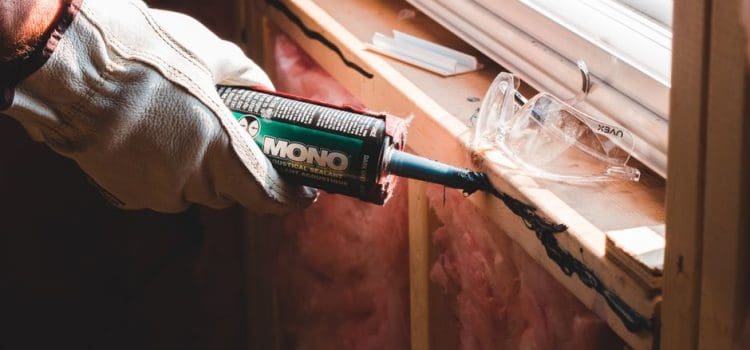
- Utility penetrations: Gaps around pipes, AC line sets, and electrical conduits should be sealed with appropriate materials (mesh + sealant, metal flashing, or mortar depending on location).
- Foundation gaps: Look for cracks, weep holes, and areas where siding meets masonry.
- Roof/attic transitions: Damaged soffits, fascia gaps, and roof vents can be major entry points.
- Door sweeps: Exterior doors should have intact sweeps and tight thresholds.
Data point: why “small gaps” matter
Rodents are famously good at exploiting tiny openings. Their flexible bodies and constant gnawing behavior mean that even modest gaps can become highways. For readers who want broader context on rodent adaptability and behavior, National Geographic’s coverage of rodents and urban wildlife is a useful reference for how quickly these animals adjust to human environments.
Actionable tips to make exclusion last
- Don’t rely on spray foam alone: It can be chewed or tunneled through. Use metal mesh or flashing as the “teeth barrier,” then seal.
- Think like water: Follow pipes, wires, and edges—rodents do the same.
- Re-check after storms: Wind and rain can loosen vents and degrade seals.
Option 3: DIY deterrents & low-tech tactics (good support, limited standalone power)
What it is
DIY deterrents include ultrasonic plug-ins, peppermint oil, mothballs (not recommended for indoor air safety), “natural” sprays, strobe lights in crawlspaces, and general home remedies circulating on social media. Some of these can reduce comfort for rodents temporarily, but most do not eliminate the core drivers: access, food, water, and shelter.
Best for
- Supplementing a larger plan (exclusion + sanitation)
- Short-term prevention during high-risk periods (moving, remodeling, seasonal transitions)
- People who want non-lethal options as part of a layered strategy
Pros
- Low cost and easy to try: Minimal tools required.
- Can help “steer” movement: Useful for guiding rodents toward traps or away from sensitive areas when combined with barriers.
- Supports sanitation habits: DIY efforts often motivate better storage and cleanup routines.
Cons
- Habituation is real: Rodents can acclimate to smells, sounds, and lights.
- Mixed results: Many deterrents lack consistent real-world performance across different layouts and rodent species.
- False confidence: A “fresh-smelling” basement can still have active entry points.
What DIY tactics are worth your time?
- Food-source lockdown: Store dry goods in hard containers, secure pet food, and keep bird seed in sealed bins. This is one of the highest-impact DIY steps.
- Clutter reduction: Cardboard, paper, and stored textiles create nesting material. Use plastic totes and keep items off the floor.
- Trap discipline: If you use snap traps, place them along walls (not in open areas) and check frequently.
- Moisture control: Fix dripping spigots and condensation issues—water availability can sustain rodents even when food is limited.
Side-by-side comparison: which approach should you choose?
If your priority is permanent prevention
Choose classic exclusion as the core strategy. Add monitoring only if you need early warnings or can’t inspect regularly.
If your priority is early detection and remote oversight
Choose smart monitoring, but plan from day one to follow up with exclusion work based on what the sensors reveal.
If your priority is budget-friendly steps you can start today
Choose DIY tactics focused on sanitation and organization, then graduate to targeted sealing. Avoid assuming smell- or sound-based deterrents alone will solve an active problem.
A practical “layered” rodent-proofing plan (best results for most homes)
In real homes, the winning strategy is usually a combination:
- Layer 1: Exclusion — Seal the top entry points first (garage, utility penetrations, attic transitions).
- Layer 2: Sanitation — Remove accessible food and nesting materials; improve storage.
- Layer 3: Monitoring — Use low-cost cameras or sensors in high-risk zones for early detection.
- Layer 4: Targeted trapping — If activity persists, trap strategically where travel routes are confirmed.
This layered approach reduces the chance of “whack-a-mole” rodent control, where you catch one animal while new ones continue entering through the same unsealed gap.
Conclusion: the most “modern” rodent-proofing is still about fundamentals
Smart devices are trending because they offer visibility and convenience, and DIY deterrents are popular because they’re accessible. But when you compare outcomes, classic exclusion remains the most reliable long-term approach. The best plan for most homeowners is a hybrid: seal entry points first, tighten food and clutter habits, then use monitoring to confirm your home stays quiet.
If you treat rodent-proofing like a general home system—similar to weatherproofing or fire safety—you’ll spend less time reacting and more time preventing.