
Why “Hidden Leaks” Are the Most Overlooked Property Maintenance Trend
One of the most practical (and quietly trending) ideas in property maintenance is focusing on hidden leaks—the slow, easy-to-miss moisture problems that don’t show up as obvious drips. These issues drive up bills, damage materials, trigger mold, and create the exact conditions rodents love: water access, softened building materials, and new entry gaps.
Rodents only need a small opening to exploit—often along pipes, under cabinets, or at service penetrations. Moisture makes it easier for them to widen weak points and encourages insects (a food source) and nesting materials to build up. The good news: a handful of targeted checks can reduce maintenance costs while supporting a solid rodent-proofing strategy.
Below are nine specific, non-generic checks you can do on a schedule. Each one includes actionable steps and real-world cues to watch for.
9 Hidden-Leak Maintenance Checks (Numbered List)
1) Dye-Test Your Toilets to Catch Silent Flapper Leaks
A toilet can leak from the tank into the bowl without making noise. That’s water waste, but it also adds constant humidity to bathrooms—especially in smaller en-suites and powder rooms where ventilation is limited.
- How to test: Add a few drops of food coloring to the tank. Wait 10–15 minutes without flushing. If color appears in the bowl, your flapper is leaking.
- Actionable fix: Replace the flapper (usually a low-cost part) and clean the valve seat to remove mineral buildup.
- Rodent-proofing bonus: Lower humidity reduces condensation on pipes and surfaces—common “watering stations” rodents exploit.
2) Inspect Under-Sink “Micro-Leaks” With Paper Towels and a Flashlight
Under-sink cabinets hide tiny drips at compression fittings, angle stops, and trap joints. These micro-leaks can go unnoticed until the cabinet base warps or turns soft.
- How to test: Wrap dry paper towel around each connection (especially where the supply line meets the shutoff valve). Leave it for 5 minutes; even a tiny leak will show a wet patch.
- What to look for: Swollen particleboard, a sour smell, or dark rings around pipe penetrations.
- Rodent-proofing bonus: Soft, damaged cabinet floors are easier for pests to chew and expand; sealing penetrations is far more effective on solid, dry substrates.
3) Check Your Water Meter for “All-Off” Flow (A Simple, High-Value Test)
This is a powerful whole-property check that can reveal leaks you can’t see—like a pinhole in a pipe, a slab leak, or a stuck irrigation valve.
- How to test: Turn off all water-using fixtures and appliances. Note the meter reading (or the small triangle/dial that indicates flow). Wait 15–30 minutes. If it moves, water is flowing somewhere.
- Next step: Isolate by closing the main shutoff and checking again; if movement stops, the leak is inside the property plumbing. If it continues, it may be between meter and main shutoff.
- Pro tip: Do this after guests leave or after maintenance work—leaks often start after a valve gets bumped or a fitting is overtightened.
4) Treat Pipe Penetrations as “Moisture + Entry” Hotspots (Seal the Right Way)
Pipes entering walls and floors often have a visible gap. That gap can channel humidity, allow drafts, and serve as a direct rodent highway—especially in kitchens, laundry rooms, and basements.
- What to do: Use a proper seal strategy: pack larger voids with rodent-resistant material (like copper mesh or stainless-steel wool), then finish with an appropriate sealant.
- Avoid: Expanding foam as the only barrier—many rodents can chew through it. Foam can still be useful as a secondary air seal when paired with chew-resistant packing.
- Moisture angle: Sealed penetrations reduce moist air migration, which can cut condensation in wall cavities.
5) “Rain-After” Gutter and Downspout Audits (The Timing Matters)
Checking gutters on a sunny day can miss the real problem: overflow during heavy rain. The most useful inspection happens right after a downpour.
- What to look for: Water cascading behind gutters, splash marks on siding, or pooled water at the foundation line.
- Actionable fix: Clean debris, confirm proper slope, extend downspouts at least 4–6 feet away (local rules and site conditions vary), and add splash blocks where needed.
- Rodent-proofing bonus: Chronic wet soil near the foundation can encourage burrowing and increase the chance of entry through weak points at sill plates and vents.
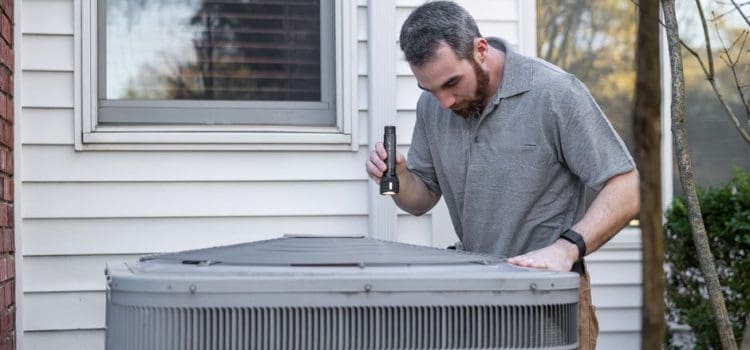
6) HVAC Condensate Line Maintenance (The Clog That Mimics a Roof Leak)
A partially clogged condensate drain can back up and create water damage near air handlers—often mistaken for a roof or plumbing leak.
- Signs: Musty smell near the unit, water staining, or intermittent dripping during heavy cooling cycles.
- Maintenance: Flush the condensate line (method depends on system design). Replace clogged float switches or clean the drain pan if accessible.
- Rodent-proofing bonus: Mechanical rooms with standing water invite pests. If rodents find a reliable water source there, they often explore nearby duct chases and wall voids.
7) Door Threshold “Light Test” to Stop Wind-Driven Rain and Pest Gaps
Here’s a simple, specific check: stand inside at night, turn off interior lights, and look for daylight (or streetlight) around exterior doors. If light gets in, water and pests often can too.
- What to fix: Worn door sweeps, compressed weatherstripping, misaligned strike plates that prevent tight closure, and degraded thresholds.
- Why it matters: Wind-driven rain can wick under doors, soaking subfloors and baseboards over time—damage that’s expensive and slow to reveal.
- Rodent-proofing bonus: Small gaps at the bottom corners of doors are common entry points, especially into garages and utility rooms.
8) Appliance Pull-Out Routine: Refrigerator, Dishwasher, and Washing Machine
Appliance leaks are “high impact, low visibility.” A slow seep behind a dishwasher or washing machine can damage flooring and create a damp cavity that’s attractive to pests.
- Frequency: Every 6 months for owner-occupied properties; more often in rentals or high-turnover units.
- What to check: Supply hoses (bulges/cracks), clamps, shutoff valves, and drip pans. Look for mineral deposits (chalky white), rust, or warped flooring edges.
- Upgrade tip: Consider braided stainless-steel hoses and add a water-leak alarm behind the appliance for early warning.
9) “Basement Edge Walk” After Storms: Find Seepage Before It Becomes Structural
Basement and crawlspace seepage often starts as a thin damp line at the perimeter—easy to miss if you only look at the center of the room.
- How to do it: Walk the entire perimeter with a flashlight and check base of walls, corners, and around utility penetrations.
- What to document: Damp spots, efflorescence (white powdery deposits), peeling paint, or a persistent earthy smell.
- Actionable next steps: Improve grading, extend downspouts, and address cracks appropriately. For recurring water, consult a waterproofing professional.
Real-World Context: Why Moisture Control Is Also Pest Control
Moisture management isn’t just about comfort—it’s a property protection multiplier. In many buildings, the same pathways that let water in (gaps, cracks, penetrations, failing seals) also become pest pathways. Rodents are opportunists: if the structure offers water access and easy entry, they’ll keep returning.
If you want a deeper look at how extreme weather and heavy rainfall events can affect homes and infrastructure—often increasing the likelihood of water intrusion—resources like BBC coverage on flooding and extreme weather can provide useful background and examples from recent events.
Conclusion: A Practical Schedule That Pays Back
Hidden leaks rarely announce themselves. They quietly raise water bills, rot wood, warp floors, and create the damp, sheltered conditions that rodents thrive in. The nine checks above are designed to be repeatable and realistic—things you can do with minimal tools and a bit of consistency.
If you’re building a rodent-proofing plan, start here: keep the building dry, seal the service penetrations properly, and treat every slow drip as a potential entry-point creator. Do these checks seasonally (and after major storms), and you’ll protect your property’s structure, indoor air quality, and long-term maintenance budget.