
When your neighborhood becomes a rodent detour
If it feels like rodents show up “out of nowhere,” you’re not imagining things. In many towns and cities, mice and rats don’t just randomly appear—they follow predictable movement patterns, almost like a daily commute. When construction starts, a vacant lot gets cleared, or a long dry spell suddenly flips to heavy rain, rodents get displaced. They don’t disappear. They relocate, and your warm, food-friendly home can end up on their new route.
This is a sneaky, increasingly common scenario: your house is clean, you’re not leaving food out, and you still spot droppings in the pantry or scratching behind the wall. The missing piece is often what’s happening outside your property line—especially within a few hundred feet.
Why rodents relocate: the three big triggers
1) Construction shakes up their “safe zones”
Demolition, excavation, new foundations, utility work—any of it can destroy burrows and nesting spots. Rats in particular love established harborage: dense shrubs, stacked materials, old sheds, and underground voids. When that gets disrupted, they scatter and seek the nearest stable shelter.
Real-world example: A homeowner might go years without issues, then a neighboring building is renovated and suddenly there are nightly sightings in the alley. The rodents didn’t multiply overnight; they got evicted.
2) Weather extremes force a survival upgrade
Rodents are opportunists. In heat and drought, they travel farther for water. In heavy rain, burrows flood and they head indoors. In cold snaps, they prioritize warmth and nesting materials.
One reason this feels more noticeable lately: many regions are seeing more weather swings—dry spells followed by intense rainfall. That “flood the burrow” moment is a classic trigger for indoor movement, and it can happen even in places where winters are mild.
3) Garbage cycles and food availability change their routes
Rodents build routines around reliable calories. If a restaurant changes dumpster practices, a nearby apartment complex tightens trash storage, or a property with bird feeders gets sold, the local rodent population doesn’t pack up neatly—they start sampling new options. That’s when they begin scouting garages, crawl spaces, and sheds.
The overlooked clue: map your 300-foot “rodent radius”
Rodents typically don’t travel miles for fun. Mice often keep to tighter ranges, while rats can roam farther when motivated, especially along fences, utility lines, and vegetation corridors. A practical way to think about it: look at what’s changed within about a football field around your home.
- New construction, demolition, trenching, sewer work
- Overgrown lots getting cleared
- New dumpsters or changes to trash pickup
- Storm drains, creeks, or low spots that flood
- Dense groundcover, ivy, or stacked lumber near property lines
If you identify one or two recent changes, you can respond strategically instead of guessing.
This week’s action plan: stop the commute at your property line
You don’t need a total home overhaul to make a major difference. The goal is to cut off easy access and remove “rest stops” that encourage rodents to linger.
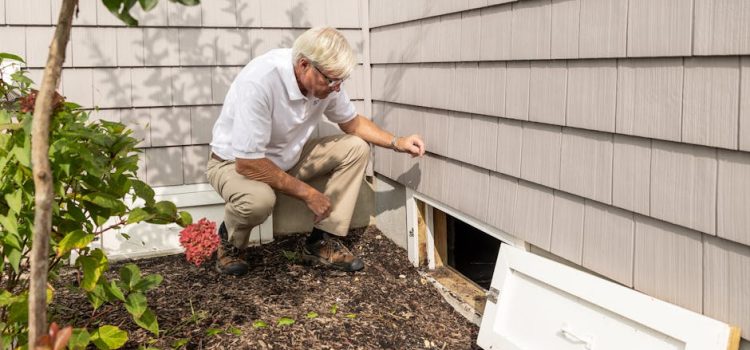
Step 1: Do a 20-minute exterior “gap audit” (bring a flashlight)
Rodent proofing is mostly about exclusion. Mice can squeeze through gaps roughly the size of a pencil (around 1/4 inch), and rats need surprisingly little space too (around 1/2 inch). Walk the perimeter and look for:
- Gaps where siding meets the foundation
- Holes around pipes, AC lines, and cable entries
- Garage door corners that don’t seal flush
- Weep holes or vents without proper screening
- Cracks under steps, porches, or along the slab edge
Actionable tip: If you can fit the tip of your pinky in a gap, treat it as suspicious. Take photos and note the location—you’ll fix faster when you have a list.
Step 2: Use materials rodents hate (and skip the stuff they chew)
Not all “sealers” are equal. Rodents can chew through foam and soft fillers. Consider:
- Steel wool + sealant: Stuff steel wool into small gaps, then cover with exterior-rated sealant. (Copper mesh is another pro favorite.)
- Hardware cloth (1/4 inch): For vents and larger openings—stronger than window screen.
- Metal kick plates or door sweeps: Especially on garage and side doors.
Real-world example: A common fix for garage mice is installing a quality door sweep plus sealing the side corners (where the rubber often leaves tiny triangles of space). Many infestations start right there.
Step 3: Remove “cover” that functions like rodent highways
Rodents prefer to move under cover. Shrubs tight to walls, ivy climbing the house, wood piles stacked against siding—these are basically shaded tunnels.
- Trim vegetation back 12–18 inches from the foundation.
- Store firewood at least 18 inches off the ground and several feet from the house.
- Clear cluttered corners of the yard where predators can’t see in.
This step doesn’t sound exciting, but it’s one of the fastest ways to reduce pressure on your home.
Step 4: Fix the “water bar” problem
Food gets the attention, but water keeps rodents coming back. Check for:
- Leaky hose bibs and spigots
- Condensation lines dripping near the foundation
- Pet water left out overnight
- Bird baths or low spots that puddle
Actionable tip: If you’re dealing with rats outside, even small, consistent water sources can turn your yard into their preferred hangout.
Inside the house: practical “friction” that prevents repeat visits
Once rodents scout an interior space, they’ll return if it stays easy. These changes add friction without turning your life upside down.
- Pantry reset: Move cereal, grains, and snacks into hard plastic or glass containers. (Cardboard and thin plastic bags are not barriers.)
- Nightly counter sweep: Crumbs matter. A quick wipe cuts down “easy calories.”
- Declutter nesting materials: Paper bags, spare fabrics, and stored packaging in garages are basically nesting starter kits.
- Check the stove gap: Pull the stove out and clean. This is a common food-crumb zone.
Traps, bait, and the “don’t make it worse” rules
Trapping can be effective, but placement and expectations matter.
- Placement beats quantity: Put traps along walls and behind appliances—rodents rarely run across open floor.
- Give it time: Some rodents avoid new objects for a day or two. Don’t assume failure after one night.
- Don’t rely on scent “repellents” alone: Peppermint-type solutions may smell strong to you, but they’re not a dependable exclusion strategy.
- Be cautious with rodenticides: Improper use can lead to rodents dying in wall voids (hello smell), plus risks to pets and wildlife.
If you’re unsure, talk to a licensed pro about the safest approach for your specific home layout and local regulations.
Why this is becoming more visible in cities (and why you should care)
Urban rodent issues aren’t just a “gross” nuisance. They affect food safety, property damage, and peace of mind. Public attention has increased as cities debate sanitation, infrastructure, and pest control policies. For broader reporting and context on how communities are grappling with rodent pressures, you can browse coverage from The Guardian’s reporting on urban living and public health.
What matters for homeowners is this: the more your neighborhood changes—new builds, weather swings, shifting trash habits—the more likely you’ll see new rodent movement patterns. That doesn’t mean you’re stuck with them. It means prevention has to be proactive and exterior-first.
Quick checklist: your “rodent commute breaker” in 30 minutes
- Walk the exterior and photograph any gaps bigger than 1/4 inch.
- Check garage door corners and install/replace a door sweep if needed.
- Trim vegetation back from the foundation.
- Move bird seed and pet food into sealed containers.
- Identify one water source outdoors and fix it (leak, puddle zone, or overnight bowls).
Conclusion: you can’t control the neighborhood, but you can control your entry points
Rodents aren’t teleporting into your home—they’re adapting to changes around them. Construction, weather extremes, and shifting food sources create a “rodent commute,” and houses with easy entry points become the new stops along the route.
The good news is that a handful of targeted steps—sealing gaps with the right materials, reducing exterior cover, tightening up food storage, and removing water sources—can dramatically lower your odds of an ongoing problem. Start outside, stay consistent for a week, and you’ll usually see results fast.