
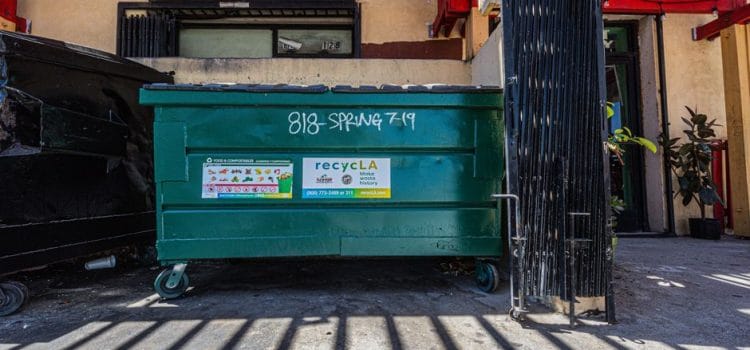
Why trash areas are the “ground zero” of many rodent problems
When property owners think about rodent proofing, they often focus on obvious entry points—gaps under doors, vents, utility penetrations, and cracks along foundations. But one of the most reliable ways to reduce rodent pressure around a building is far less glamorous: upgrading and maintaining the trash area.
Rodents are opportunistic. A consistent food source close to shelter can turn a “random mouse sighting” into a recurring maintenance issue that affects tenants, staff, and your budget. In multi-family buildings, mixed-use properties, and commercial sites, the dumpster enclosure or bin staging area is frequently the most dependable buffet on the lot—especially when waste handling is inconsistent.
In this guide, you’ll learn a practical, property-maintenance-focused approach to rodent-proofing trash areas using design tweaks, cleaning routines, and enforceable habits. The goal isn’t just to “catch” rodents—it’s to make your building less attractive and harder to exploit.
The rodent attraction triangle: food, water, shelter—often all in one corner
Trash areas concentrate the three things rodents need:
- Food: bag leaks, loose lids, cardboard grease, takeaway containers, pet food waste, and compostable scraps.
- Water: leachate, rainwater pooling, mop water dumped nearby, or dripping spigots.
- Shelter: clutter, pallets, broken fencing, vegetation, gaps under gates, and warm mechanical rooms adjacent to loading bays.
Rats and mice don’t need much. A small daily supply of calories can sustain a local population, and once established, rodents explore outward into wall voids, basements, and adjacent units. The trash area is a preventable “resource hub.”
A specific, high-impact upgrade: build a rodent-resistant waste zone (not just an enclosure)
Many properties already have a dumpster enclosure, but “having an enclosure” isn’t the same as having a rodent-resistant waste zone. The difference is in the details: surfaces that can be cleaned, gaps that are sealed, and procedures that keep lids closed and food residue minimal.
1) Start with the slab: fix what rodents exploit at ground level
Concrete condition matters. Cracked slabs, spalling edges, and soil-to-slab transitions create hiding spots and allow burrowing. Walk the perimeter and look for:
- Cracks wider than 1/4 inch (especially where grease and liquid accumulate)
- Gaps under enclosure walls where the slab doesn’t meet the base
- Settling/low spots that hold water after rain or washdown
Actionable fixes:
- Patch cracks and joints with a durable, traffic-rated concrete repair product.
- Where there’s a persistent gap at the base of fencing or masonry, install a concrete curb or rat wall (a short continuous barrier) to remove the “shelter line” rodents use to travel.
- Correct drainage: even a small regrade or adding a trench drain can eliminate standing water that supports rodents and insects.
2) Gate and door gaps: the most common “welcome mat”
Dumpsters are frequently accessed, and gates take a beating. A sagging gate can easily leave a 1–2 inch gap at the bottom—more than enough for rats. Mice need far less. While exact squeezing abilities vary, the practical maintenance takeaway is simple: if you can see daylight, you have an access issue.
Actionable fixes:
- Install a heavy-duty brush sweep or rubber sweep along the bottom of enclosure gates (rated for exterior use).
- Add self-closing hinges so gates aren’t left open during busy disposal periods.
- Use latch hardware that actually gets used: a simple, reachable latch beats a complicated system staff bypasses.
3) Bin selection: lids and material choices make or break the system
If your property uses wheeled bins instead of a dumpster, the bin itself becomes a critical “building component.” Thin or warped lids, missing wheels, and cracked plastic create odor leakage and easy entry.
Actionable tips:
- Standardize bins so replacement parts are consistent and staff can’t claim “this lid doesn’t fit that bin.”
- Choose tight-fitting, hinged lids; avoid open-top bins for food waste staging.
- Replace damaged bins promptly—patching cracked plastic often fails under heat/cold cycles.
The “invisible fuel”: residue, leachate, and odors
Rodent control isn’t only about blocking entry. It’s also about reducing the cues that draw animals in—especially odor trails and food residue. Grease on cardboard, sweet drink spills, and trash juice are powerful attractants.
Wildlife ecology reporting and photography often highlight how adaptable animals are around human food sources. For broader context on human-wildlife interactions and how animals adjust behavior around our waste, see National Geographic’s wildlife coverage.
A practical cleaning protocol that property teams can sustain
A trash area cleaning plan fails when it’s too ambitious or vague. Make it repeatable, assignable, and inspectable:
- Daily (5–10 minutes): pick up loose trash, ensure all lids are closed, check gate latch, remove cardboard piles.
- Weekly (20–30 minutes): sweep the slab, spot-degrease visible spills, rinse and squeegee standing water (don’t just hose it into landscaping).
- Monthly (30–60 minutes): pressure wash with a degreaser (especially behind dumpsters), clean bin exteriors/handles, and inspect for cracks/gaps that reopened.
Operational detail that matters: If you pressure wash, ensure the wastewater drains appropriately. Leaving puddles is a double hit: you’ve spread odor-laced moisture and provided water.
Cardboard and bulk items: the rodent “condo complex” nobody budgets for
One of the most common real-world causes of persistent rodent activity in trash areas is not food—it’s harborage. Stacks of flattened cardboard, bulk furniture dumps, and pallets provide cover that makes rodents feel safe enough to forage in daylight hours.
Real-world example: A small retail plaza may have a “temporary” cardboard stack behind the enclosure that stays for weeks. Even if the dumpster is emptied regularly, rodents can nest behind that stack and feed from minor leaks. The result is a cycle of sightings, tenant complaints, and reactive pest control calls.
Actionable fixes:
- Set a hard rule: no cardboard storage in or behind the enclosure. If recycling pickup is infrequent, use a lidded recycling container or locked compactor.
- Schedule bulk pickup days and enforce them (signage plus lease language for multi-tenant sites).
- Keep a 24–36 inch clearance around enclosure walls so you can inspect and clean.
Landscaping and “soft edges”: stop building rodent highways
Rodents prefer traveling along edges—fences, walls, shrubs—where they feel hidden. Trash enclosures often sit against a fence line or dense landscaping, unintentionally creating a protected travel corridor.
Actionable tips:
- Trim shrubs back from the enclosure; avoid ground cover that touches the slab perimeter.
- Remove ivy or climbing plants from fence lines near waste areas.
- Store nothing (pallets, spare pavers, tools) against the outside of the enclosure.
Make it measurable: a simple inspection checklist that prevents “rodent amnesia”
Many properties only focus on rodent risk after a complaint. The fix is a checklist that turns rodent-proofing into routine maintenance. Here’s a quick version you can copy into your work order system:
- All dumpster/bin lids close fully and remain closed
- No visible food waste outside containers
- No standing water; drains clear
- Slab intact (no new cracks/voids)
- Gate closes and latches; no bottom gaps
- No stored cardboard/bulk items/pallets
- Vegetation trimmed back; clear inspection gap around walls
- No droppings, gnawing, burrows, or rub marks along edges
Data point that helps operations: Track issues by frequency. If you note “lids left open” three times in a month, that’s not a pest control problem—it’s a process problem (bin capacity, signage, staff training, or pickup schedule).
When to involve a professional (and what to ask for)
If you’re seeing repeated daytime rat activity, burrows near the enclosure, or droppings despite cleaning, bring in a licensed pest management professional. But ask them to go beyond baiting:
- Request an inspection report with photos of structural and sanitation contributors.
- Ask for exclusion recommendations (gaps, gate fixes, slab repairs) and prioritize them.
- Confirm monitoring strategy: exterior stations/placement should support your layout without creating a false sense of security.
Rodent proofing works best when pest control and maintenance operate as one plan: reduce resources, remove shelter, and block access.
Conclusion: treat the trash area like critical building infrastructure
Trash zones are often managed as an afterthought—until rodents force them into the spotlight. The most cost-effective, lasting rodent-proofing results come from treating the waste area like critical property infrastructure: sound surfaces, tight gates, consistent lid discipline, and cleaning routines that eliminate residue and standing water.
Upgrade the “waste zone,” and you typically reduce rodent pressure everywhere else: fewer sightings, fewer urgent calls, less tenant conflict, and a property that simply runs cleaner. If you want an evergreen maintenance win that pays off year-round, start where the food is.