
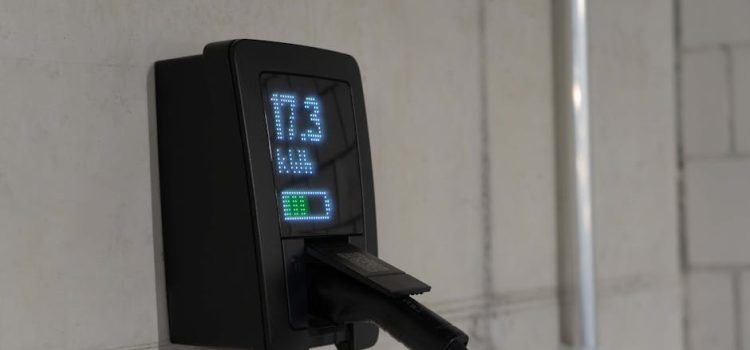
Electric vehicle (EV) chargers are showing up everywhere: apartment car parks, retail lots, office buildings, and—more and more—single-family homes. It’s a smart upgrade, but there’s a property-maintenance side effect that catches many owners off guard: new penetrations, warm components, and fresh cable routes can create perfect pathways (and incentives) for rodents.
Rodents don’t care that it’s a “high-tech” installation. They care about access, shelter, warmth, and gnaw-able materials. And modern charging setups often check all those boxes. The good news: with the right post-install checklist, you can protect the installation, reduce fire risk, and keep your property tidy and compliant—without turning your garage into a construction zone.
Why EV chargers can quietly increase rodent risk
Most rodent problems are really building-envelope problems. EV charger installs can unintentionally add several “invitation points”:
- New wall penetrations for conduit or cabling through brick, siding, or drywall.
- Expansion of service areas near panels, meter boxes, or risers—places rodents already like to explore.
- Warmth from power electronics (especially in enclosed garages), which can attract nesting in cold months.
- New concealment routes along conduit runs, trunking, cable trays, or behind parking-bay bollards.
- Gnaw-prone materials like foam fillers, plastic covers, and soft insulation around penetrations.
From a maintenance perspective, the risk isn’t just nuisance. Rodent damage can lead to repeated call-outs, compromised insulation, tripped breakers, and, in worst cases, electrical faults. In the UK and many other markets, EV adoption and charger rollouts remain a regular news and policy topic; for broader context on how quickly EV infrastructure is scaling, you can follow ongoing reporting at The Guardian’s EV and transport coverage.
The post-install rodent-proofing checklist (property maintenance edition)
This checklist is designed for facilities teams, landlords, and homeowners who want practical steps that don’t rely on guesswork. You can do most items with basic tools and one trip to a builders’ merchant.
1) Inspect every penetration like a rodent inspector would
Rodents can fit through surprisingly small gaps (as a rule of thumb, a mouse can squeeze through a gap around 6–7 mm). After an EV charger install, do a slow perimeter check of:
- Where conduit enters the building (garage wall, exterior wall, riser cupboard)
- Behind the charger backplate (some installs leave a cavity gap)
- Around junction boxes, isolators, and meter box entries
- Any newly drilled pilot holes or “temporary” gaps left for snagging
Actionable tip: Use a torch and a thin probe (like a cable tie) to check depth and voids. If the probe slips into a cavity, treat it as a potential entry route and seal appropriately.
2) Replace foam-only fills with rodent-resistant sealing
Expanding foam is quick—but rodents can chew it. Foam can be part of a solution, but it shouldn’t be the only barrier in vulnerable spots.
- Best practice: Backfill larger gaps with stainless steel mesh or copper mesh, then finish with exterior-grade sealant or mortar (depending on the substrate).
- Exterior masonry: Use mortar repair or a suitable cementitious filler for a hard finish.
- Cladding/siding: Use pest-resistant grommets, escutcheon plates, and UV-stable sealants designed for outdoor exposure.
Real-world example: A small commercial unit with chargers installed through a rear block wall used foam around conduit entries. Within months, mice burrowed into the foam, nested in the wall void, and the site experienced repeated false alarms from a nearby motion sensor. Replacing the foam-only fill with mesh + mortar stopped the activity without any rework to the charger.
3) Upgrade cable and conduit protection in “gnaw zones”
Rodents gnaw to manage tooth growth. Cable jackets and soft plastics can become targets—especially where cables run low to the ground or along sheltered edges.
- Choose rigid conduit (metal where appropriate) for exposed runs at low level, particularly in garages, plant rooms, and car parks.
- Protect transitions (where flexible conduit meets rigid) with proper glands and strain relief.
- Avoid cable slack loops that create hiding pockets behind the charger or within trunking.
Actionable tip: If you manage multiple bays, standardize a “minimum height” for horizontal runs. Keeping conduit off the floor by even 30–50 cm can significantly reduce casual contact with pests and cleaning equipment.
4) Don’t ignore the meter box and panel area
Many EV chargers tie into existing electrical infrastructure. Rodents love meter cupboards and service voids because they’re quiet and seldom disturbed.
- Check for gaps around incoming service conduits and any new cables routed into the enclosure.
- Ensure covers close flush and aren’t warped (even a small corner gap can become a repeat entry).
- Use rodent-resistant brush strips or gasketing where appropriate, but avoid anything that interferes with ventilation or compliance.
Maintenance habit: Add the meter/panel area to your quarterly inspection route. Rodent issues often start there before spreading to garages, lofts, or cavity walls.
5) Manage heat and clutter around the charger
Warmth + nesting material is the combo that turns “scouting” into “moving in.”
- Keep cardboard, old insulation, and stored textiles away from the charger and cable runs.
- Maintain a clean 0.5–1 m buffer zone around the charger in garages and plant rooms.
- Fix door sweeps and thresholds: rodents frequently enter at garage side doors, not just the main vehicle door.
Real-world example: In a multi-tenant parking garage, rodents repeatedly chewed signage wiring near a charger row. The underlying issue wasn’t the chargers—it was long-term clutter (stored pallets) behind the bays, creating a sheltered corridor. Once the storage was removed and housekeeping improved, damage incidents dropped dramatically.
6) Add monitoring that fits property maintenance workflows
You don’t need a “pest panic.” You need early detection.
- Use simple indicators: tracking dust patches, non-toxic monitoring blocks, or mechanical monitors in non-public areas.
- Look for: rub marks along edges, small droppings near walls, shredded material, and new scratching sounds at night.
- Log sightings in the same system you use for other maintenance tasks (CMMS, spreadsheet, or job cards).
Actionable tip: Set a “two-sighting rule”: if you get two sightings within 14 days near the charger area, treat it as an active issue and inspect penetrations immediately—before you escalate to traps or baiting.
7) Landscaping and exterior hygiene: the charger’s forgotten perimeter
For outdoor chargers or garages with external walls, the exterior environment matters as much as sealing work.
- Trim vegetation back from walls and conduit routes (rodents use it as cover).
- Keep bin areas clean and lids shut; food waste can “fund” the local rodent population.
- Check gullies, drains, and broken air bricks near the charger wall—these are common entry corridors.
Data point you can use operationally: In many urban settings, rodent pressure rises where waste management is inconsistent and shelter is abundant. Even small improvements—like scheduled bin-washdowns and keeping shrubbery off walls—can reduce baseline activity and help your sealing measures last longer.
What to ask your EV installer (or electrician) before they leave
A lot of rodent issues come from “not my scope” gaps between trades. A few questions can prevent months of callbacks:
- “Can you walk me through every penetration you created?” Mark them on a quick sketch or take photos for your maintenance records.
- “What did you use to seal each entry point?” If the answer is “foam,” ask whether mesh/backing is needed for pest resistance.
- “Are there any unused knockouts or spare openings?” These should be capped or sealed properly.
- “Is any cable exposed at low level?” If yes, discuss conduit upgrades or protective covers.
Conclusion: Treat charger installs like envelope work, not just electrical work
EV chargers are a valuable upgrade, but they can unintentionally weaken the building envelope in exactly the places rodents like to exploit: penetrations, voids, and quiet service zones. The fix isn’t complicated—it’s consistent. Inspect penetrations, use rodent-resistant sealing, protect conduits in gnaw zones, and build monitoring into routine maintenance.
If you manage multiple properties, consider standardizing a “post-EV-install rodent-proofing” sign-off so every site gets the same protection. It’s one of those small, practical processes that prevents expensive headaches later—and keeps your charging infrastructure reliable for the long run.