
Small daily habits, big long-term rodent-proofing gains
Rodent-proofing is often described like a one-time project: seal gaps, set traps, call a pro. But in real homes, rodents usually show up because of a pattern—tiny conveniences and “I’ll do it later” moments that add up to easy food, water, warmth, and nesting material.
This article focuses on an evergreen, surprisingly effective angle: micro-habits. These are small routines you can do in under a few minutes that reduce the “reward” rodents get from entering your space. Each one is practical, realistic, and designed to fit busy schedules—because a plan you actually do beats a perfect plan you never start.
1) Run a 90-second “crumb sweep” after dinner
Food residue is one of the strongest predictors of repeat rodent activity. A few grains of rice under the stove or crumbs under the toaster can become a nightly buffet.
How to do it (in under 2 minutes):
- Wipe counters and the stove edge with a damp cloth (water alone is fine; a mild soap helps with grease).
- Do a quick floor pass around high-drop zones: stove, sink, dining area, pet bowls.
- Shake crumbs from placemats into the trash (not the sink).
Real-world example: In many apartments, mice activity spikes when residents eat on sofas. A quick vacuum pass under couch cushions once a week plus a nightly crumb sweep can meaningfully reduce food access—especially in open-plan living spaces where kitchens bleed into lounging areas.
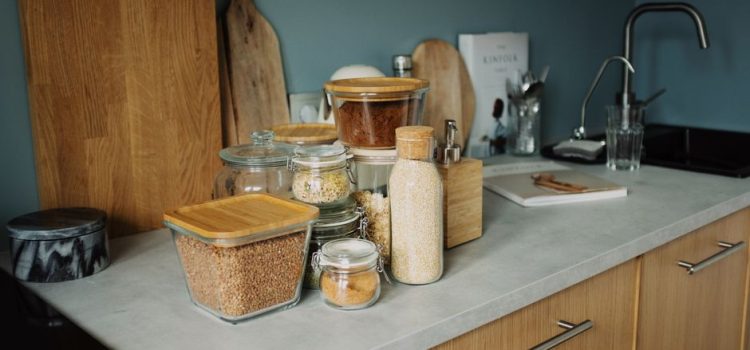
2) Store “high-scent” foods like a pantry engineer
Rodents don’t need much food, but they’re excellent at locating it. Cereals, pasta, flour, nuts, seeds, chocolate, and even some pet treats are high-priority targets.
Actionable upgrade: Use hard-sided containers with tight lids for the top 10 items you buy most often (instead of trying to containerize everything).
- Choose thick plastic or glass with gasket lids; thin bags inside cardboard are not enough.
- Prioritize: cereal, oats, rice, flour, sugar, nuts, dog/cat treats, birdseed, baking chocolate, dried fruit.
Data point to keep in mind: A mouse can squeeze through holes about the size of a dime (roughly 6–7 mm). If the smell is strong and the packaging is weak, they’ll work at it. The goal is to reduce scent trails and chewable surfaces.
3) Turn trash into a “no reward” zone
Trash is underestimated because it’s “already on the way out.” But it can be the most reliable food source in a home—especially when it contains coffee grounds, takeout containers, meat packaging, or sticky food scraps.
Micro-habit: Each time you toss food waste, do one of these:
- Wrap pungent scraps (meat packaging, fish scraps) in a small bag before placing in the main bin.
- Rinse sticky containers quickly (even a 5-second rinse helps).
- Empty kitchen trash nightly if you’ve cooked with high-odor ingredients.
Bonus tip: If your bin lid doesn’t close flush, replace it or add a simple weight-based lid system. A “mostly closed” trash can still leaks odor and allows access.
4) Do the “drip patrol” twice a week
Rodents don’t just look for food—they look for water. A tiny drip under a sink, a leaky fridge water line, or condensation trays can provide a dependable water source.
Two-minute routine (pick two days):
- Look under kitchen and bathroom sinks with a flashlight.
- Check behind the toilet for slow leaks or dampness.
- Inspect the fridge drip pan area (if accessible) and around the dishwasher.
Actionable fix: Keep a small pack of paper towels and a roll of plumber’s tape. Even temporary control of moisture removes a key “reason to stay.”
5) Make pet feeding “timed,” not “all-day buffet”
Free-feeding pets (leaving food out all day) is convenient—but it’s also a rodent invitation. Even if the bowl is mostly empty, the smell remains, and tiny leftovers matter.
Micro-habit shift:
- Put food down for 15–20 minutes, then pick it up.
- Store kibble in a sealed hard container (metal is excellent; thick plastic works).
- Clean under bowls nightly—especially if your pet “flicks” kibble.
Real-world example: Multi-pet households often see the biggest improvement from switching to scheduled feeding because it instantly removes a daily food source that rodents can rely on.
6) Adopt the “cardboard quarantine” rule
Cardboard is cozy nesting material and great camouflage. It also arrives constantly: deliveries, bulk groceries, moving boxes, product packaging.
Simple rule: Cardboard doesn’t stay indoors longer than 48 hours unless it’s in active use.
- Break down boxes immediately and take them to recycling.
- If you must store items, switch to plastic totes with lids.
- Keep storage off the floor (even 6 inches helps with inspection and cleaning).
Why it works: Reducing nesting “inventory” makes your home less comfortable for rodents and easier for you to monitor. If you want broader context on how waste and urban living intersect with pests, you can browse reporting and explainers at The Guardian for related public-interest coverage.
7) Do a monthly “gap audit” with a coin and a flashlight
Entry points change over time: weather stripping compresses, foundations settle, vents loosen, and old caulk cracks.
Micro-habit: Once a month, take 5 minutes to check these hotspots:
- Under sinks (pipe penetrations), behind the stove, and around HVAC lines.
- Door sweeps and garage door corners.
- Dryer vent and exterior utility openings.
Practical test: If you can fit the edge of a dime into a gap, treat it as “mouse-sized.” Seal small gaps with appropriate materials (e.g., steel wool plus sealant for some interior voids, or durable exterior-grade sealant outside). For larger gaps, consider hardware cloth or professional exclusion work.
8) Replace “mystery clutter” with labeled zones
Rodents thrive where humans don’t look. Piles of bags, unsorted recycling, “temporary” stacks in laundry rooms, and crowded closets create hidden runways.
Micro-habit: Create three labeled zones using simple bins or baskets:
- In: Items that belong in this room.
- Out: Items that need to leave the room on your next pass.
- Decide: Items you’re unsure about—review weekly.
Real-world impact: Homeowners often discover droppings only after a big cleanout. By making “regular visibility” a habit, you spot early signs sooner and respond before a small issue grows.
9) Use a “logbook mindset” for sightings and sounds
One of the biggest reasons rodent issues persist is vagueness: “I think I heard something last week.” Rodent-proofing gets much easier when you track patterns.
Micro-habit: Keep a simple note on your phone with:
- Date/time and location of sightings, droppings, gnaw marks, or scratching sounds.
- Weather notes (cold snaps often drive indoor movement).
- Any changes you made (sealed a gap, changed trash routine, moved food storage).
Actionable payoff: A basic log helps you identify the likely entry side of the home, the time of activity (often late night), and whether your changes are working. If you bring in a pest professional, this information can reduce inspection time and improve targeted exclusion.
Conclusion: Rodent-proofing is a lifestyle, not just a checklist
The most reliable rodent prevention isn’t a single magic product—it’s reducing access to food, water, shelter, and entry points every day in small, doable ways. If you adopt even three of these micro-habits (crumb sweep, trash discipline, and cardboard quarantine are a strong start), you’ll make your home less rewarding for rodents and easier to monitor.
If you’re already seeing repeated signs—droppings, gnawing, nesting material, or nighttime scratching—pair these habits with a thorough exclusion plan (sealing gaps, improving door sweeps, and inspecting vents). The sooner you remove the “rewards,” the sooner rodents move on.