
Why “rodent proofing” is suddenly a home services power move
Rodent proofing has had a glow-up lately. It’s not just about traps or panic-calling a pest company after you hear scratching at 2 a.m. Homeowners are realizing that a lot of rodent problems are really home services problems: gaps, moisture, broken seals, sloppy utility penetrations, and neglected maintenance schedules.
This roundup pulls together practical, specific fixes you can request from common home service pros (HVAC, plumbing, roofing, insulation, landscaping, cleaning, handyman, and more). The idea is simple: rodents don’t “appear” — they enter, eat, nest, and repeat. Remove the opportunities, and you don’t just solve a problem; you prevent it.
Quick reality check: mice can squeeze through holes about the size of a dime (roughly 6–7 mm), and rats can fit through gaps about the size of a quarter (around 20 mm). That’s why the most effective “rodent control” sometimes looks like caulk, steel wool, door sweeps, and schedule-based maintenance.
Roundup: 9 home service fixes that stop rodents at the source
1) The “utility line audit” (handyman + pest pro collaboration)
Most rodent entries aren’t dramatic. They’re boring: cable TV lines, AC refrigerant lines, hose bibs, gas lines, and electrical conduits that pass through siding and brick.
- Ask for: a walk-around inspection specifically looking for any penetration bigger than 1/4 inch.
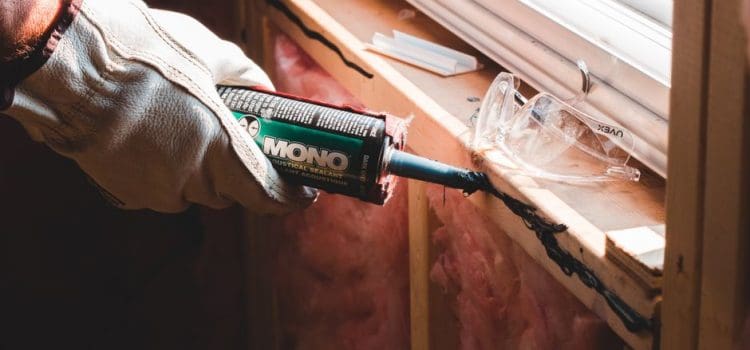
- Best materials: copper mesh or stainless-steel wool (not regular steel wool), plus exterior-rated sealant. For larger voids, request metal flashing or a mortar patch.
- Pro tip: spray foam alone is not rodent-proof. If foam is used, it should be backed with metal mesh first.
Real-world example: Homes with fiber internet often have a tidy install indoors, but the exterior penetration can be loosely sealed. One 1-inch gap around a cable is basically a welcome sign to mice — especially as temperatures drop.
2) Door sweep upgrades that actually work (garage door companies are your secret weapon)
Garage doors are common rodent highways. The rubber bottom seal compresses unevenly, the corners lift, and suddenly there’s a gap you could slide a thumb through.
- Ask for: a new bottom seal plus side weatherstripping (many homeowners only replace the bottom).
- Don’t forget: the door from the garage into the home. Add a heavy-duty sweep and threshold.
- Test it: at night, put a bright light inside the garage and look from outside. If you see light, rodents see a doorway.
3) Dryer vent “clean + armor” (HVAC/duct cleaning with a rodent twist)
Dryer vents are warm, linty, and often poorly protected. A clogged vent also increases fire risk, which is why this fix does double duty.
- Ask for: a dryer vent cleaning plus installation of a proper critter-resistant vent hood (metal, with a damper that closes tightly).
- Avoid: flimsy plastic hoods and loose screens that clog with lint.
- Actionable tip: if the vent pipe is foil flex duct, upgrade to rigid or semi-rigid metal to reduce hiding spots and lint buildup.
4) Roofline and soffit triage (roofers catch what pest inspections miss)
Rodents don’t only enter at ground level. Rats are surprisingly good climbers, and roof edges are full of opportunities: gaps at fascia boards, broken soffit vents, lifted drip edges, and uncapped openings.
- Ask for: a targeted inspection of eaves, returns, and roof-to-wall intersections (especially behind gutters).
- Fixes that matter: replace broken vents with metal-mesh-backed vents; repair rotted fascia; seal gaps near attic fan housings.
- Pro tip: chimney caps and flue screens are non-negotiable if you’ve seen droppings in the fireplace or heard fluttering.
5) Crawlspace moisture control (the underrated “rodent magnet”)
Rodents follow water. A damp crawlspace grows mold, attracts insects (rodent food), and stays warmer in winter. Many infestations calm down dramatically after moisture control, even before major exclusion work.
- Ask for: a vapor barrier, sealed vents (where appropriate for your climate), and a crawlspace dehumidifier with a drain line.
- Also check: plumbing leaks under kitchens and baths that drip into the crawlspace.
- Data point: keeping indoor relative humidity around 30–50% is widely recommended for comfort and mold prevention; it also makes spaces less attractive for pests that thrive in damp conditions.
6) “Food source hardening” via cleaning services (yes, really)
If you want rodent proofing to stick, you need a boring but powerful service: a deep clean with a pest-prevention checklist. Many homeowners clean what they can see, but rodents are drawn to what’s behind appliances and inside storage zones.
- Ask for: a move-out-style deep clean focusing on kitchen kick plates, under the stove, pantry floors, and pet feeding areas.
- Upgrade your storage: transfer dry goods (flour, cereal, pet food) into hard plastic or glass containers with gasket lids.
- Real-world example: pet food left in a paper bag in the garage is a top “starter buffet” for mice. A $15 sealed bin can prevent a $500 infestation.
7) Attic insulation refresh (insulation contractors can “erase” nesting zones)
Attics become rodent condos when insulation is thin, disturbed, or contaminated. If you’ve had activity for a while, old insulation can hold odors that encourage repeat visits.
- Ask for: a contamination assessment and removal if droppings/urine are present, then air-sealing (with metal mesh where needed) before adding new insulation.
- Bonus: air sealing reduces drafts and can lower heating/cooling costs.
- Tip: pay attention to recessed lights, attic hatches, and plumbing stacks—these are common bypasses into living spaces.
8) Landscaping “rodent runway” reductions (yard crews can prevent interior problems)
Overgrown landscaping acts like cover. If shrubs touch siding or tree branches hang over the roof, you’re giving rodents protected travel lanes.
- Ask for: trimming branches at least 3 feet away from the roofline and thinning dense groundcover near foundations.
- Do this today: keep mulch pulled back a few inches from the foundation and avoid piling firewood against the house.
- Pro tip: if you feed birds, use seed catchers and clean spilled seed weekly—spilled seed is rodent candy.
9) Trash, compost, and community-level prevention (a surprisingly modern concern)
Urban and suburban rodent pressure is increasingly tied to waste management. Overflowing bins, loose lids, and compost piles that aren’t managed correctly can raise rodent activity in an entire block.
- Ask for: a sturdier bin with a tight-fitting lid; consider bungee cords if animals knock lids loose.
- Compost smarter: avoid meat/dairy; bury food scraps in the center; use a rodent-resistant tumbler if activity is high.
- Worth reading: for broader context on how cities are responding to rodent pressure and waste practices, check reporting from The Guardian’s coverage on urban rats and public sanitation.
How to turn this roundup into a simple “rodent-proofing work order”
If you’re juggling multiple contractors, keep it simple. Copy/paste a version of this when requesting estimates:
- Inspect and seal all exterior penetrations (mesh + exterior sealant; no foam-only).
- Replace/upgrade weatherstripping and door sweeps (including garage).
- Clean dryer vent and install critter-resistant metal hood.
- Inspect roofline/soffits/vents; repair any gaps; install metal-mesh-backed venting where needed.
- Assess crawlspace/attic for moisture and contamination; recommend remediation.
- Provide photo documentation of “before/after” for every sealed point.
That last bullet (photos) sounds picky, but it prevents the classic problem: you pay for “sealed gaps” and have no idea what was actually addressed.
Conclusion: rodent proofing is a maintenance strategy, not a one-time event
The best rodent-proof homes aren’t the newest or the fanciest — they’re the ones where small gaps get handled quickly, moisture is controlled, and food sources are locked down. If you take only one thing from this roundup, make it this: pair exclusion (blocking entry) with prevention (removing the reasons rodents stick around). That combo is what turns a stressful, recurring issue into a boring non-issue — the best kind of home service win.