
9 “Invisible” Maintenance Habits That Keep Rodents Out (and Cut Repair Costs) All Year
Most rodent problems don’t start with a dramatic “rat in the kitchen” moment. They start quietly: a tiny gap under a door, a slow drip behind a cabinet, a warm HVAC chase that feels like a five-star hotel hallway for mice. The good news? A handful of low-key property maintenance habits can make your building way less inviting—without turning your weekends into a never-ending DIY marathon.
Below are nine specific, not-so-obvious maintenance habits that property owners and managers can build into a routine. Each one is designed to reduce rodent access, food, water, or shelter—while also protecting your property value.
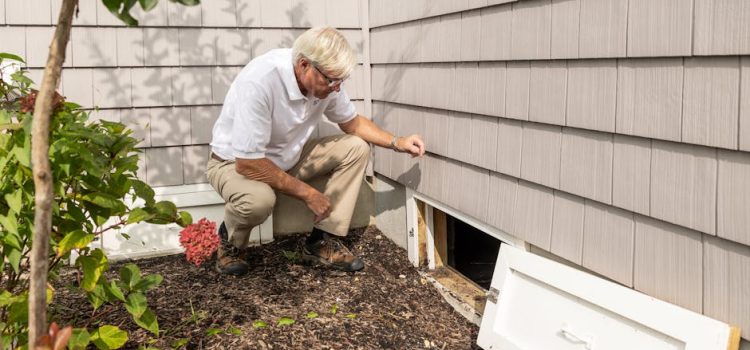
1) Do a “Flashlight Gap Audit” at Night (It’s Way More Revealing)
Rodent entry points hide in plain sight during the day. At night, turn on interior lights, walk the outside perimeter, and look for light leaking out through cracks. That glow is basically a neon “come on in” sign to mice and rats.
- What to check: bottom corners of garage doors, utility penetrations, siding transitions, and where decks meet the house.
- Actionable fix: seal small cracks with copper mesh plus exterior-grade sealant; for larger gaps, use metal flashing or hardware cloth.
- Pro tip: if you can slide a pencil through a gap, a mouse may fit. If you can fit a thumb, think rat.
Real-world example: A small property manager in the Midwest found a 1/2-inch light leak behind a downspout mount—mice were entering the wall cavity and nesting near insulation. A $12 patch (mesh + sealant) beat a multi-visit extermination cycle.
2) Treat Downspouts Like Rodent “Water Lines” (Because They Are)
Rodents don’t just follow food—they follow water. Poor drainage creates damp soil, soggy mulch, and wet crawlspaces that rodents love (and that can also attract insects they eat). Keeping water moving away from the structure is a double win.
- Target outcome: downspouts should discharge at least 4–6 feet away from the foundation, ideally into a splash block, extension, or drain system.
- Maintenance cadence: clear gutters at least twice a year (more if you have trees) to prevent overflow that erodes soil and opens up foundation gaps.
- Quick test: during a rain, walk the property and look for “sheeting” water off roof edges—this often signals clogged gutters.
3) Replace “Brush” Door Sweeps with Rodent-Resistant Options
Those brush-style sweeps look tidy, but they’re not great at stopping determined rodents. They deform, collect debris, and leave micro-gaps at the corners. A tight, durable seal at doors is one of the easiest ways to reduce entries.
- What to install: heavy-duty rubber/vinyl door sweeps or automatic door bottoms on high-traffic entries.
- Don’t forget: add metal kick plates on lower sections of exterior doors if chewing is a risk.
- Check alignment: a perfectly good sweep won’t help if the door is sagging—adjust hinges or strike plates as needed.
Actionable tip: slide a credit card along the threshold. If it slips through anywhere, you’ve got a spot worth tightening.
4) Make Your Trash Area “Boring” (Rodent-Proof by Design)
Trash areas are basically rodent food courts if they’re messy or hard to clean. The goal is to reduce both calories and hiding spots. This is especially important for multi-family properties and commercial sites where trash volume is high.
- Use hard surfaces: keep bins on concrete/asphalt, not dirt or gravel (gravel hides burrows and spilled food).
- Add lighting: bright, consistent lighting reduces rodent activity and makes droppings easier to spot during inspections.
- Simple rule: if a dumpster leaks, it’s not “fine”—it’s feeding a colony.
Data point: Small changes in waste handling can have outsized impact because food availability is one of the main drivers of rodent population growth. Even a weekly wash-down of the pad can break the cycle.
5) Schedule “Hidden Heat” Inspections: Dryer Vents, Bath Fans, and Furnace Intakes
Warmth is a rodent magnet—especially in cooler months. Vents and intakes are perfect entry points because they’re often overlooked and sometimes poorly screened.
- Dryer vents: use a proper vent hood with a damper; avoid flimsy plastic grates that crack or warp.
- Bath fans: confirm the exterior termination has a tight damper and is not stuck open.
- Furnace/HRV intakes: ensure screens are intact and properly sized (fine enough to block rodents, not so fine it clogs).
Real-world example: A townhouse row had recurring mice each winter until the HOA discovered several shared bath fan terminations had missing dampers. Replacing them reduced complaints dramatically the next season.
6) Stop “Micro-Leaks” Fast—They’re a Rodent Invitation
Rodents can survive on surprisingly little water. A slow leak under a sink, a dripping hose bib, or HVAC condensate issues can provide a steady supply—plus it can degrade materials and create odors that attract pests.
- Top leak zones: under kitchen sinks, behind toilets, near water heaters, around fridge water lines, and at exterior spigots.
- Easy monitoring: place a dry paper towel under suspect pipes for 24 hours; any dampness means a fix is needed.
- HVAC tip: keep condensate lines clear and confirm the drain pan isn’t holding water.
7) Trim “Rodent Highways” in Landscaping (Branches, Vines, and Stacked Wood)
Overgrown landscaping isn’t just a curb-appeal issue—it’s a mobility network. Rats and mice use branches, climbing vines, and dense shrubs to move unseen, access roofs, and find attic openings.
- Clearance rule: keep branches at least 3 feet away from the roofline and siding.
- Wood storage: stack firewood at least 18 inches off the ground and 20 feet from the structure if possible.
- Ground cover: avoid thick ivy against the foundation; it hides cracks and makes inspections harder.
Actionable tip: after trimming, re-walk the perimeter and look for newly visible gaps. Landscaping often hides exactly what rodents are using.
8) Track “Rodent Pressure” Like a Maintenance KPI (Yes, Seriously)
If you only respond when someone sees a mouse, you’ll always be reacting late. Instead, track early warning signals as part of routine maintenance—especially in properties with multiple units or storage areas.
- What to log: droppings in mechanical rooms, chew marks on stored items, rub marks along baseboards, burrows near foundations, and gnawing near trash areas.
- Use zones: divide the property into sections and score each monthly (e.g., 0–3 severity). You’ll spot patterns fast.
- Why it matters: trends help you justify proactive repairs in budgets, instead of paying repeatedly for emergency treatments.
Real-world example: A small warehouse started logging sightings by aisle and discovered activity spiked near a loading dock with a warped threshold. Fixing the threshold reduced incidents more than additional traps ever did.
9) Spend 20 Minutes on “Material Upgrades” That Outperform Caulk
Caulk is helpful, but it’s not a miracle. Rodents can chew through softer materials, and exterior seals degrade from UV, temperature swings, and moisture. Strategic upgrades make your building more physically resistant.
- Use metal where it counts: stainless steel wool or copper mesh behind sealant for small holes; galvanized hardware cloth for larger openings.
- Protect foam: if you use expanding foam, pair it with mesh or flashing—foam alone is chewable.
- Upgrade vulnerable zones: garage door bottom seals, door thresholds, and utility line penetrations with escutcheon plates or collars.
For a broader sense of how pests (including rodents) tie into larger property and infrastructure concerns—especially in dense urban areas—it can help to follow reputable reporting and data summaries from sources like Reuters coverage on public health and city infrastructure. It’s a good reminder that prevention at the building level is part of a much bigger picture.
Conclusion: Make Rodent-Proofing a Habit, Not a Panic Button
The most effective rodent proofing is boring—in a good way. It’s tight door seals, dry foundations, clean trash pads, trimmed landscaping, and fast leak fixes. When you build these “invisible” habits into property maintenance, you don’t just reduce rodent risk—you also lower moisture damage, improve energy efficiency, and cut down on repeat service calls.
If you want to start simple, pick two habits this week: (1) the nighttime flashlight gap audit and (2) a quick drainage check during the next rain. Those two alone uncover issues most people miss—and they’re often the difference between “we had one mouse” and “we have a problem.”