
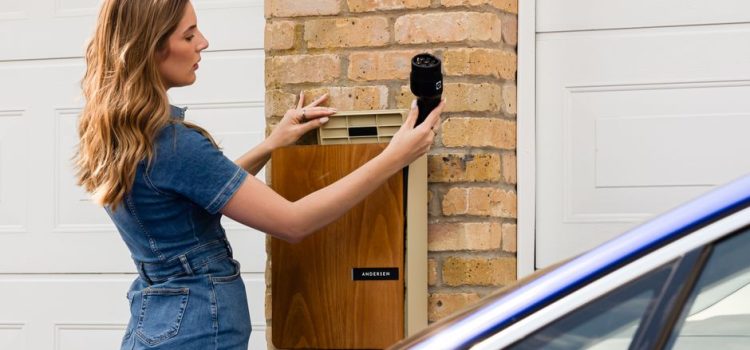
Why are EV chargers and solar inverters becoming a new hotspot for rodent problems?
As more homes add electric vehicle (EV) charging equipment, solar inverters, battery storage, and smart energy monitoring, we’re seeing a new pest-control trend: rodents targeting low-voltage wiring, conduit entry points, and warm, sheltered enclosures. These systems often combine three things rodents love:
- Warmth: Power electronics and transformers produce steady heat, especially in garages, utility rooms, and exterior-mounted inverter cabinets.
- Shelter: Cable runs, junction boxes, and service penetrations create protected travel lanes and nesting spots.
- Gnaw-worthy materials: Wire insulation, foam gaskets, and even some flexible conduit can be damaged by chewing.
Unlike “classic” rodent issues (pantries, attics), these setups often run through garages and exterior walls—areas homeowners inspect less frequently. That delay can turn a small entry point into a repeated gnawing site that’s expensive to trace and repair.
What types of rodent damage are most common on EV charging and solar equipment?
Rodent issues around electrified equipment usually fall into a few categories:
- Chewed wire insulation: This can cause intermittent faults, tripped breakers, ground faults, or failed communications between devices.
- Nesting inside enclosures: Rodents may bring paper, insulation, and debris into inverter cabinets or behind charger housings, affecting ventilation.
- Urine and droppings: Beyond hygiene concerns, contamination can corrode metal parts and create odor issues that persist.
- Damaged conduit entry points: Even if wiring is intact, a compromised seal invites moisture, insects, and repeated rodent traffic.
In real-world service calls, technicians often report “mystery faults” that end up being a single gnawed communication cable (for example, a data line between an inverter and monitoring system) rather than a total power failure—making diagnosis frustrating and costly.
Is this problem actually increasing, or is it just more visible now?
It’s becoming more visible because there’s more equipment installed in rodent-accessible locations—especially garages, exterior walls, sheds, and carports. Additionally, consumer energy infrastructure is growing quickly, which expands the number of potential targets. For broader context on how fast energy and electrification sectors are evolving—and why related infrastructure issues are increasingly reported—read coverage from Reuters energy and technology reporting, which frequently tracks expansion of EV charging, grid upgrades, and home energy systems.
From a pest-control standpoint, more equipment doesn’t necessarily mean rodents are “new,” but it does mean there are more warm enclosures and cable pathways that were not common in homes 10–15 years ago.
What are the top warning signs that rodents are targeting my charger or inverter?
Look for these early indicators before you end up with a non-functioning system:
- Unexplained charging interruptions: EV charging sessions that stop mid-cycle without a clear reason.
- Fault codes or communication errors: Apps showing your inverter is “offline” or data is intermittently missing.
- Small debris piles: Shredded insulation, dry leaves, or paper near cable entries or behind the unit.
- Grease rub marks: Dark smears along walls or conduit where rodents travel repeatedly.
- Droppings: Often found on ledges, behind boxes, or on top of breaker panels.
- Sounds in the wall/garage: Scratching near cable routes, especially at night.
A practical tip: use a flashlight and inspect where conduit meets the wall or where cables enter a cabinet. Rodents frequently start gnawing at the softest transition point—like a rubber grommet or foam seal.
Which rodents are most likely to cause damage in these setups?
The usual culprits are:
- House mice: Small enough to exploit gaps as narrow as 1/4 inch; common in garages and utility rooms.
- Roof rats: More common in warmer regions; excellent climbers that may reach attic-adjacent conduit runs.
- Norway rats: Often associated with lower levels, crawlspaces, and ground-level exterior routes.
Mice tend to create frequent, scattered damage with small droppings, while rats can cause more substantial gnawing and may pull larger nesting material into sheltered cavities.
Where do rodents get in around EV chargers and solar equipment?
Rodent entry points around electrified home equipment are often “micro-gaps” created by installation or settling. Common access points include:
- Conduit penetrations: Where conduit passes through siding, brick, stucco, or drywall.
- Weep holes and siding gaps: Especially behind exterior-mounted inverters or disconnect boxes.
- Garage door corners: Worn weather stripping can leave openings right where chargers are installed.
- Utility line entries: Cable/telecom penetrations near the main electrical service.
- Crawlspace vents: Damaged screens allow access to wiring routes under the home.
Actionable rule: if you can fit the tip of your pinky finger into a gap, a mouse may be able to squeeze through it.
What’s the best rodent-proofing approach: trap first or seal first?
For EV and solar-adjacent rodent issues, the most effective approach is usually a staged plan:
- Step 1: Identify active areas. Use a quick inspection for droppings, rub marks, and gnawing.
- Step 2: Trap aggressively for 7–14 days. Reducing the active population prevents rodents from being sealed inside wall voids where they can die and create odor issues.
- Step 3: Seal entry points (“exclusion”). Focus on exterior-to-interior transitions and conduit penetrations.
- Step 4: Harden vulnerable hardware. Add rodent-resistant barriers and protect cable routes.
If you seal first while rodents are actively using a pathway, they may simply chew a new one—often closer to the equipment you’re trying to protect.
How do I seal around conduit and cable penetrations without creating an electrical hazard?
Safety matters: when in doubt, consult a licensed electrician—especially around panels, disconnects, and inverters. That said, rodent-proofing typically targets the building gaps around conduit rather than modifying the electrical system itself.
Common best practices include:
- Use rodent-resistant materials: Stainless steel wool or stainless mesh paired with an appropriate sealant is often more durable than foam alone.
- Avoid relying only on expanding foam: Many rodents can chew through foam. Foam can be useful as a secondary seal, but should be reinforced.
- Install escutcheon plates or proper collars: A rigid barrier around penetrations reduces gnaw points.
- Check for UV exposure outdoors: Some sealants degrade in sunlight. Choose exterior-rated products for outside penetrations.
Practical example: If conduit enters a stucco wall with a hairline gap around it, pack the void with stainless mesh, then top with an exterior-rated sealant to create a smooth, gnaw-resistant finish.
Can rodents chew through conduit? What should I use for better protection?
Yes—rodents can damage certain materials, especially if there’s already a weak spot. While rigid metal conduit is far more resistant than plastic, vulnerabilities often occur at transitions: flexible conduit sections, rubber grommets, and poorly fitted connectors.
To harden your setup:
- Prefer rigid metal conduit in exposed, accessible areas (like along garage walls).
- Minimize flexible conduit runs or protect them with metal sleeving where feasible.
- Use tight-fitting connectors and ensure there are no “soft” entry points.
- Elevate and secure cables so they don’t rest along ledges or floors where rodents travel.
Even if you can’t change the conduit type, simply reducing slack and eliminating hidden voids can lower the chance rodents decide the area is a good nesting corridor.
What trapping strategy works best in garages with chargers?
Garages can be tricky: doors open frequently, clutter provides cover, and food sources may include pet food, bird seed, or stored snacks. A solid garage strategy includes:
- Use multiple traps: For mice, place snap traps 6–10 feet apart along walls; rodents usually travel edges, not open floors.
- Choose baits that match conditions: Peanut butter works well, but in dusty garages, a small piece of chocolate or nut can stay appealing longer.
- Position traps correctly: Place the trigger end flush to the wall so rodents encounter it during normal travel.
- Reduce competing food: Store bird seed and pet food in sealed, rodent-resistant containers.
If you’re uncomfortable handling traps, a pest professional can implement a plan that also accounts for children, pets, and local regulations.
Do ultrasonic devices or peppermint oil actually protect wiring?
These options are popular, but they’re rarely sufficient as primary protection. In real-world pest control, exclusion (sealing) and population reduction (trapping) are the most dependable methods. Ultrasonic devices can be inconsistent due to obstacles and sound attenuation, and scent-based repellents typically require frequent reapplication and may not deter a motivated rodent seeking warmth and shelter.
If you use repellents, treat them as a short-term supplement while you seal entry points and remove attractants—not as a stand-alone fix for wiring protection.
How can I rodent-proof my solar inverter or battery cabinet on an exterior wall?
Exterior-mounted equipment is exposed to climbing routes, landscaping cover, and small wall gaps. Prioritize:
- Clearance: Keep vegetation, stacked items, and firewood away from the wall to reduce hiding and climbing assistance.
- Seal wall penetrations: Especially behind the cabinet where gaps can be hidden from view.
- Screen vents and openings appropriately: If the unit has ventilation requirements, do not block airflow. Instead, use manufacturer-appropriate guards or consult an installer for rodent-resistant vent solutions.
- Inspect the bottom edge: Rodents often approach from below and exploit tiny gaps along the sill or mounting bracket area.
Schedule a seasonal check—many homeowners discover problems after extreme temperatures when rodents seek heat or shelter.
What maintenance routine helps prevent repeat infestations?
Consistency beats one-time fixes. A simple, effective routine looks like this:
- Monthly: Quick visual inspection of conduit entry points, droppings, and debris near the charger/inverter.
- Quarterly: Test garage door seals, check weather stripping, and verify exterior sealant hasn’t cracked.
- Twice a year: Deep inspection of crawlspace/attic access points and exterior utility penetrations; refresh exclusion materials if needed.
Also track system behavior: if your charger or inverter app shows unusual disconnects, don’t ignore it. Intermittent faults can be an early warning of cable damage.
When should I call a professional pest control or rodent-proofing specialist?
Get expert help if:
- You find repeated droppings despite trapping.
- You suspect rodents are in wall voids near electrical runs.
- Your system shows faults you can’t explain, especially if paired with chewing evidence.
- You need exclusion work on ladders, roofs, or complex exterior penetrations.
A qualified rodent-proofing provider can map entry points, recommend durable materials, and coordinate with electricians or solar/EV installers when modifications intersect with code or equipment requirements.
Conclusion: How do I protect high-value energy equipment from rodents long-term?
EV chargers, solar inverters, and home batteries are valuable upgrades—but they also introduce warm enclosures and new cable pathways that rodents may exploit. Long-term protection comes from a practical sequence: reduce active rodents with trapping, seal entry points with rodent-resistant materials, harden cable routes and conduit transitions, and follow a simple inspection routine. When you treat rodent-proofing as part of home energy system maintenance—not just a one-time pest issue—you’re far more likely to prevent the frustrating (and costly) cycle of recurring wiring damage.