
Ever notice how rodent problems seem to show up at the same times every year—like clockwork? You’re not imagining it. Mice and rats don’t just wander randomly into buildings; their movement patterns and nesting choices change with “rodent weather”: shifts in temperature, rainfall, food availability, and even how we humans store clutter and food season-to-season.
The good news: once you understand the seasonal cues that drive rodent behavior, you can plan simple, targeted upgrades that make your home or building way less inviting—before you hear scratching in the walls. This post breaks down what’s happening, why it’s trending in pest-control conversations right now, and practical steps you can take month-by-month (without turning your life into a full-time proofing project).
Why “rodent weather” matters more than you think
Rodents are opportunists. They’re constantly weighing three things: shelter, food, and safety. Seasonal changes tilt that equation. Cold snaps make attics and wall voids feel like luxury condos. Heat waves push them toward reliable water sources (like leaky outdoor spigots). Heavy rain can literally flood burrows and force rats to higher ground—sometimes straight into basements and garages.
Climate variability has also made rodent patterns less predictable in some areas. Milder winters can extend breeding seasons and keep populations higher for longer. If you’ve felt like rodent issues are “starting earlier” or “lasting longer,” that’s a common report across many regions.
Season-by-season: what rodents are really doing
Fall: the “apartment hunt” season
Fall is peak “moving in” time. As outdoor temperatures drop, mice (especially house mice) begin scouting for warm, stable shelter close to food. This is when tiny entry points matter most—because once they find a good spot, they tend to keep using it.
- What you’ll notice: Droppings near pantry shelves, new grease marks along baseboards, scratching in ceilings at night.
- Why it happens: Outdoor food sources are changing (harvest, falling fruit, fewer insects), and indoor heat is starting up.
Actionable tip: Do a 20-minute “sunset check.” Around dusk, walk your exterior with a flashlight and look for light shining through gaps under doors, at utility penetrations, and around the foundation line. If light passes, rodents can often pass.
Winter: the “stay quiet, stay fed” season
Once rodents are inside, winter is about staying hidden and staying stocked. You might not see them, but that doesn’t mean they’re gone. In fact, indoor nesting can lead to steady gnawing (which is why winter is often when people discover chewed wiring or damaged insulation).
- What you’ll notice: Random crumbs disappearing, pet food disturbed overnight, chewing sounds in walls or under floors.
- Why it happens: They’re minimizing risk by traveling along walls and protected routes, usually at night.
Actionable tip: Upgrade storage, not just traps. Use hard-sided containers for cereal, flour, bird seed, and pet food. A single accessible bag of dog food in a garage can feed rodents for weeks and encourage nesting nearby.
Spring: the “baby boom” season
Spring is when rodent populations can ramp up fast. Many rodents breed quickly when conditions improve, and spring offers more natural food and nesting material. If you had a “quiet winter tenant,” spring is when you may suddenly notice more activity.
- What you’ll notice: Increased sightings, more droppings, daytime activity (which can indicate larger numbers or competition).
- Why it happens: Breeding accelerates, and young rodents explore.
Actionable tip: Focus on exclusion first. Trapping without sealing entry points can become an endless loop. Think of it like bailing water without fixing the leak.
Summer: the “water and shade” season
Summer problems are often overlooked because people associate rodents with cold weather. But heat pushes rodents to seek shade, water, and easy calories. Outdoor living (grilling, trash cans, compost bins) can also become a buffet.
- What you’ll notice: Activity around trash areas, burrows near sheds, rodents along fences at dusk.
- Why it happens: Water becomes the limiting factor—leaks, condensation lines, and standing water matter more.
Actionable tip: “Hydration audit.” Check hose bibs, AC condensate lines, dripping irrigation heads, and low spots where water pools. Removing water access can reduce how long rodents linger outdoors near your structure.
A quick reality check: rodents can squeeze through shockingly small gaps
One of the most useful facts in rodent proofing is also one of the most annoying: mice can get through extremely small openings. That’s why proofing is less about dramatic holes and more about the tiny, boring gaps you’d never notice.
Rule of thumb: If you can fit the tip of your pinky in a gap, you should take a closer look—especially around garage doors, utility lines, and older siding transitions.
The 7-point “prevention stack” that works in real homes
If you want a system that’s realistic (not perfectionist), use this stack. Each layer helps; together, they make your home dramatically less attractive.
1) Seal the exterior like you’re weatherproofing (because you are)
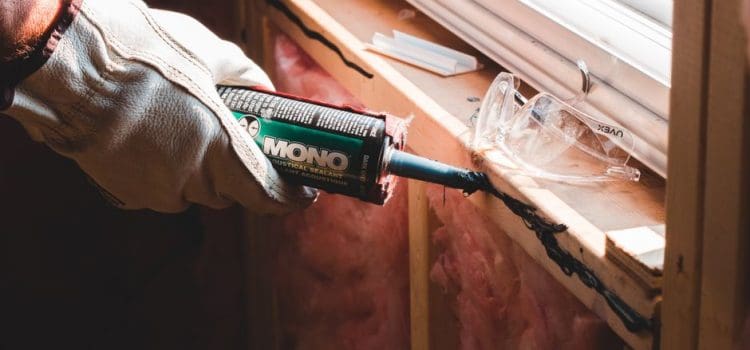
- Use steel wool + sealant for small gaps (steel wool alone can rust and loosen).
- Use hardware cloth (metal mesh) for larger openings like vents or crawlspace gaps.
- Install a door sweep on any exterior door with daylight showing.
2) Treat garages like part of the house
Garages are often the easiest entry point: big door gaps, stored food, and lots of hiding places. Real-world example: many infestations start with a single bag of bird seed stored on the floor. The rodents feed there, then expand into wall voids that connect to the rest of the home.
- Store seed and pet food in sealed bins (tight lids).
- Keep items off the floor where possible.
- Check the garage door’s bottom seal—replace if cracked or stiff.
3) Make trash “boring”
- Use bins with tight-fitting lids (or add bungee straps if wildlife is a factor).
- Rinse containers before tossing when possible—smell is the invitation.
- Keep bins a bit away from doors if you can.
4) Clean with “rodent logic,” not perfection
You don’t need a showroom kitchen—just remove consistent food access.
- Wipe crumbs under toaster areas and along stove edges.
- Don’t leave pet bowls out overnight if you’ve had activity.
- Keep pantry items in containers if you’ve had past issues.
5) Trim the rodent “highways”
Vegetation acts like cover. Shrubs touching siding and dense groundcover next to foundations give rodents safe travel routes.
- Trim shrubs back a few inches from the building.
- Store firewood off the ground and away from the structure.
- Reduce clutter piles around sheds and fences.
6) Place monitoring tools strategically
Even if you don’t want to trap continuously, monitoring helps you catch early activity.
- Put snap traps (or monitoring stations) along walls, not in the middle of rooms.
- In garages, focus on corners and behind storage areas.
- Check weekly during high-risk seasons (fall and spring).
7) Fix moisture issues you’ve been ignoring
Rodents thrive where there’s water and quiet shelter. A slow leak under a sink or a damp crawlspace can support activity longer than you’d expect.
- Repair dripping pipes and spigots.
- Use a dehumidifier in damp basements if needed.
- Clear gutters and ensure downspouts move water away from the foundation.
Data and context: why rodent sightings spike after major weather events
After storms, floods, or prolonged heat waves, rodents often shift territory. Burrows can collapse or flood, and food sources change overnight. That’s when they explore new structures, dumpsters, and crawlspaces.
If you want a general, accessible look at how weather extremes affect communities and infrastructure (which includes pest pressures as a downstream effect), it’s worth skimming coverage from a major newsroom like BBC News reporting on extreme weather impacts. The big takeaway for homeowners: when your local weather gets weird, your rodent prevention plan should get proactive.
A simple “Rodent Weather” calendar you can actually follow
- Late summer (Aug–Sep): Inspect door sweeps, garage seal, and exterior gaps before the fall push.
- Fall (Oct–Nov): Seal entry points, lock down food storage, reduce clutter in garages and sheds.
- Winter (Dec–Feb): Monitor quietly (check traps/stations), listen for wall activity, keep pantry sealed.
- Spring (Mar–May): Re-check exterior (freeze/thaw can open gaps), trim vegetation, fix moisture issues.
- Summer (Jun–Jul): Focus on water sources, trash routines, and outdoor food (grilling areas, compost).
Conclusion: proofing beats panic every time
Rodent issues feel sudden, but they’re usually seasonal and preventable. When you treat rodents like weather-driven movers—tracking warmth, water, and easy meals—you stop reacting and start preventing. A few hours of targeted sealing, smarter storage, and seasonal checks can save you weeks of stress (and the cost of repairs) later.
If you do nothing else, do this: seal first, then monitor. That one-two approach is what turns your home from “easy shelter” into “not worth it.”